Her Story
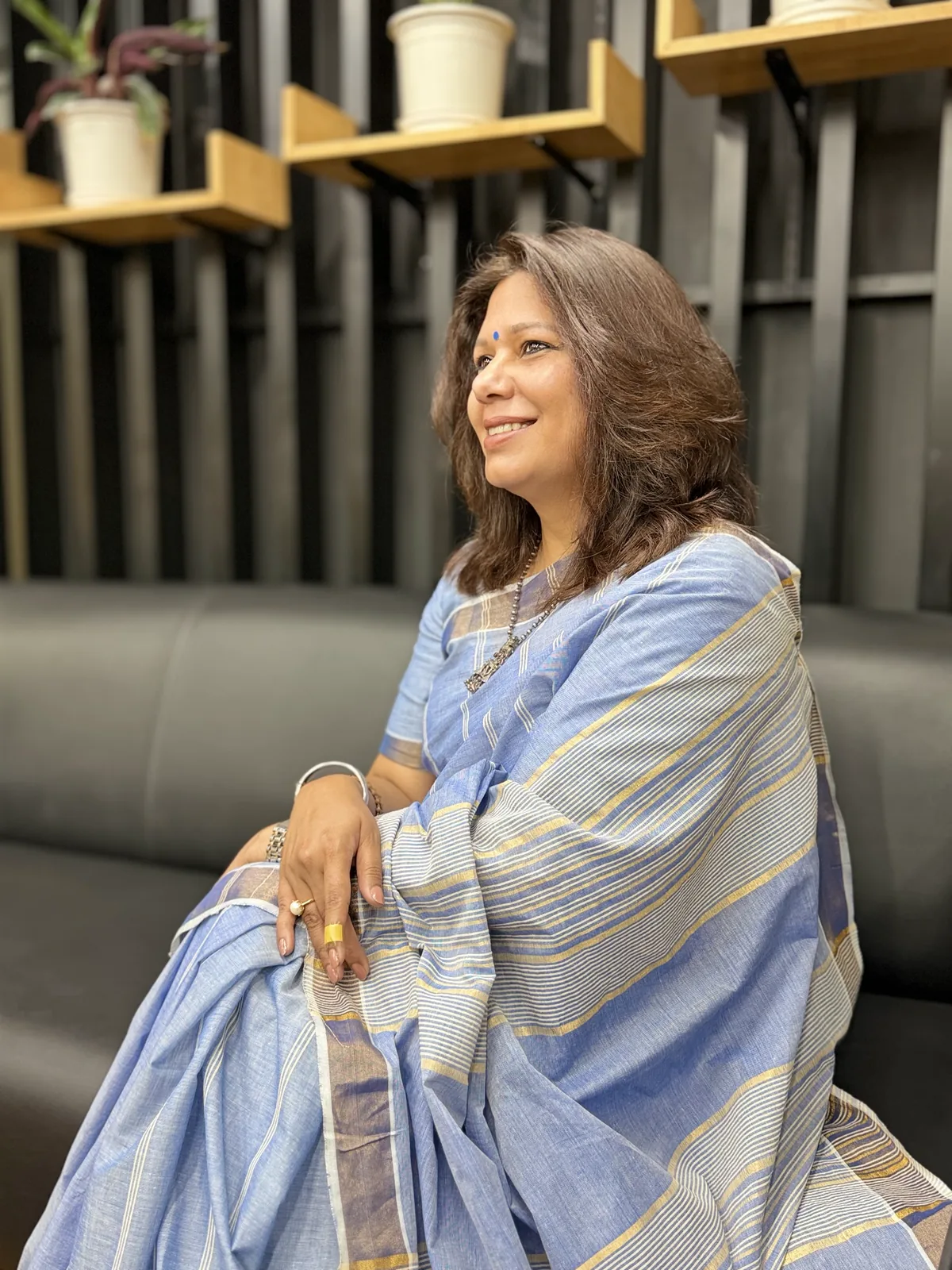
Shubhra is a Sanskrit word for pure light. It is also, she has come to believe, a description of the work: to notice the light already in people, and help them find their way back to it.
Listen to her podcast →
Where It Began
Shubhra Saxena grew up in Tapin North, a coal mining settlement in Hazaribagh, in what's now Jharkhand. There wasn't much around her family growing up, and her commute to school alone took two hours, by bus, every day. Later they moved to Kargali in Giridih, another mining town, and the pattern was the same: the industry around them kept growing, but that growth rarely seemed to reach the people living closest to it.
She couldn't have explained it at the time, but growing up like that left her with a certain instinct. She kept observing, for the rest of her life, how much of what happens to a person just comes down to what they had access to and what they didn't.
Before Service
She went on to study engineering at IIT Roorkee. After that she joined the IT industry in 2002 and spent several years there, right as it was taking off in India. It was genuinely a good few years, and by most measures a comfortable one. But somewhere underneath the job and the stability, there was still this pull toward everything she'd grown up seeing around her, the gaps she'd watched other people live with, and a feeling that she hadn't yet done the thing she was actually meant to do.
The Turn
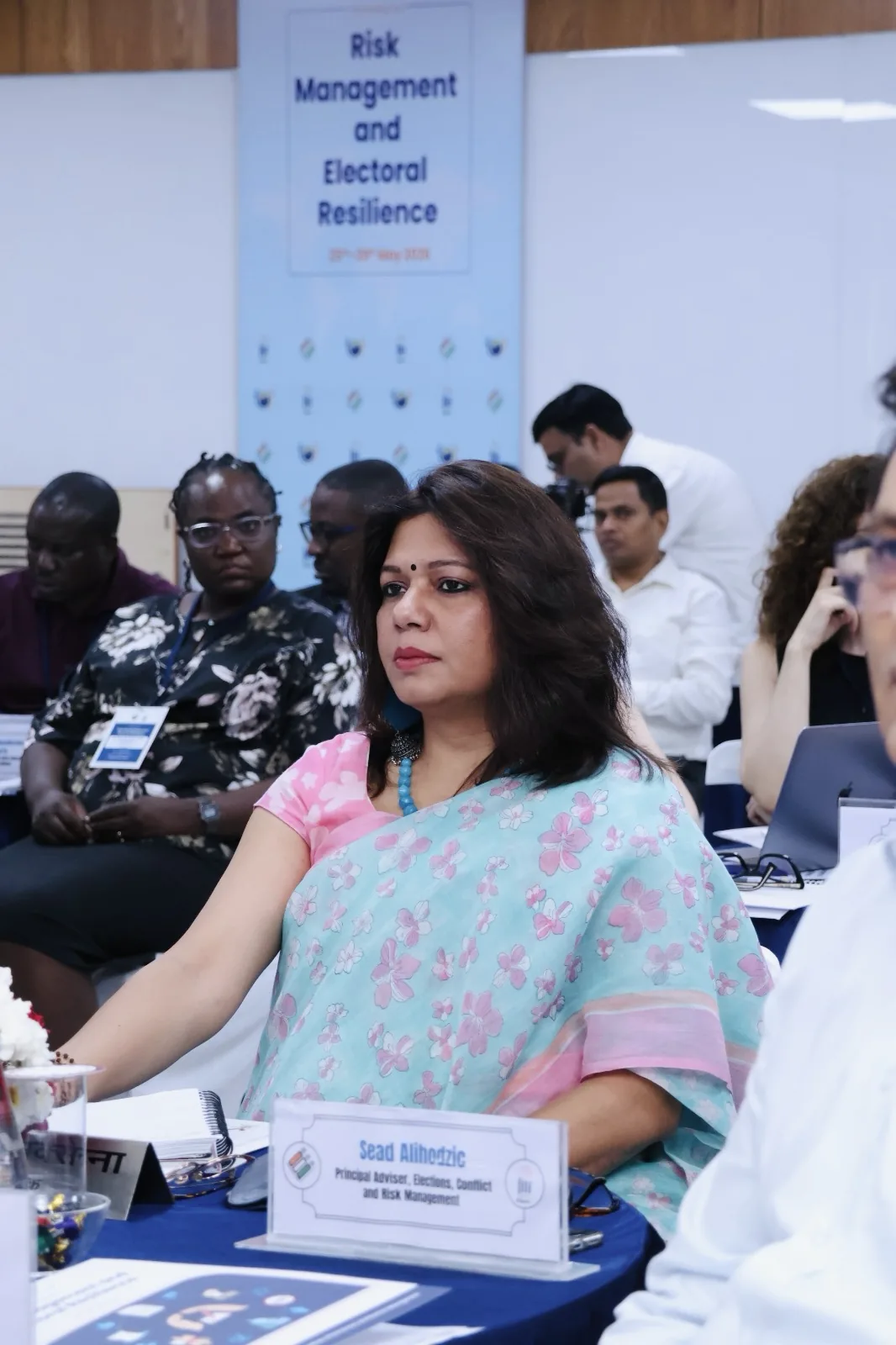
So, as destiny would have it, she sat for the Civil Services Examination, and cleared it with All India Rank 1. The years since have taken her across several different sides of governance, from district administration to crisis response to institutions that operate on a much larger, more international scale. She served as District Magistrate through some genuinely difficult moments, including the early days of the pandemic, when nobody anywhere really knew what they were doing yet. Later her work moved toward healthcare governance, and eventually into election management and democratic institutions, which took her to platforms and dialogues she had never hoped to be a part of.
A Wider View
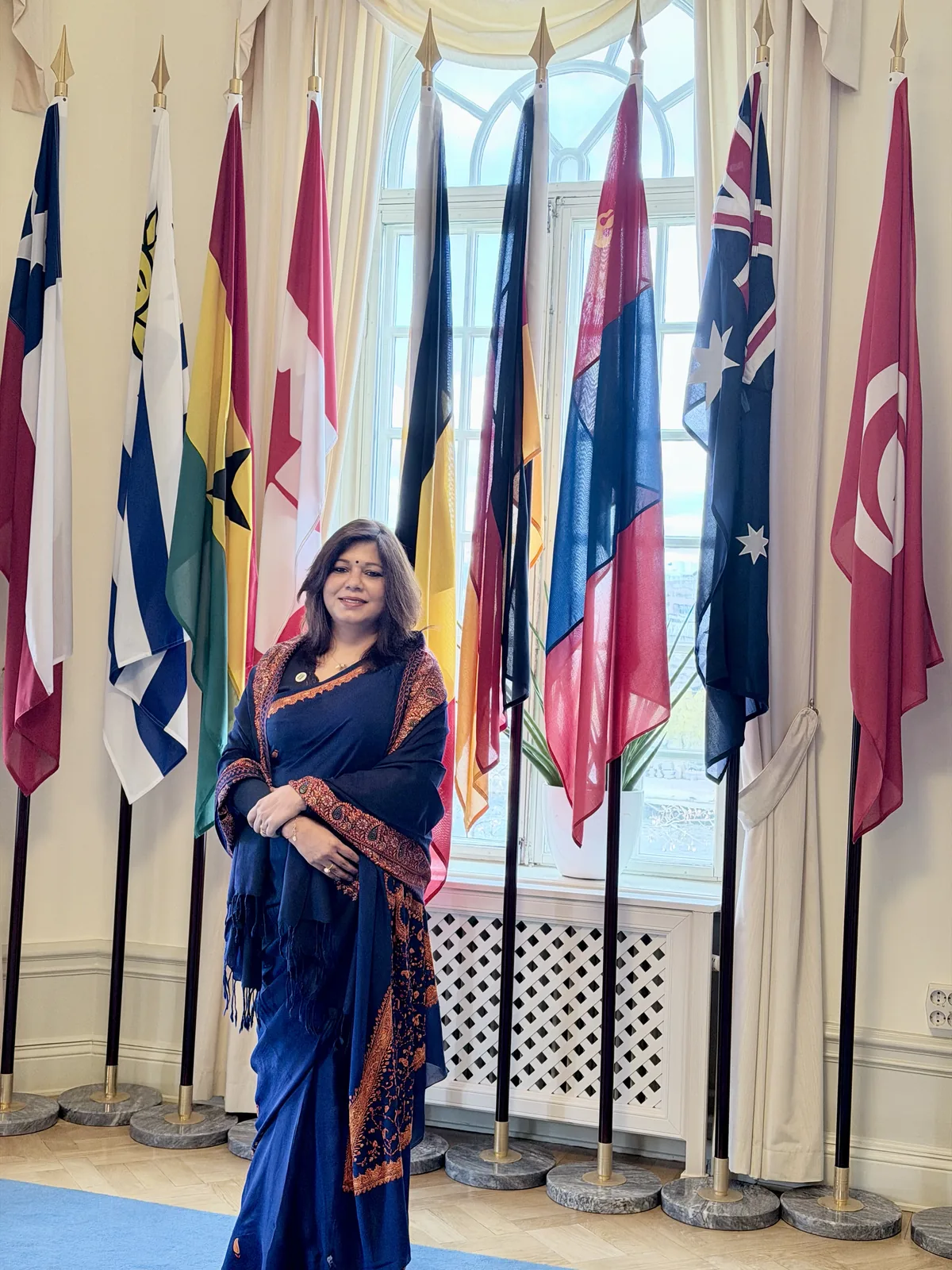
That international exposure changed how she thinks about governance. Sitting in rooms with people from different countries, she kept noticing the same thing: democracy is fragile everywhere, and it survives only when people actively hold it together. The details differ from country to country, the politics, the customs, the language; but the underlying struggle is the same, and so is the hope. What she took away from those conversations is that a country isn't sustained by its institutions alone. It is sustained by citizens who stay engaged rather than indifferent, and by a shared willingness to cooperate and find consensus even when people disagree. That, more than anything else, is what keeps a democracy alive across generations.
The Instinct to Teach
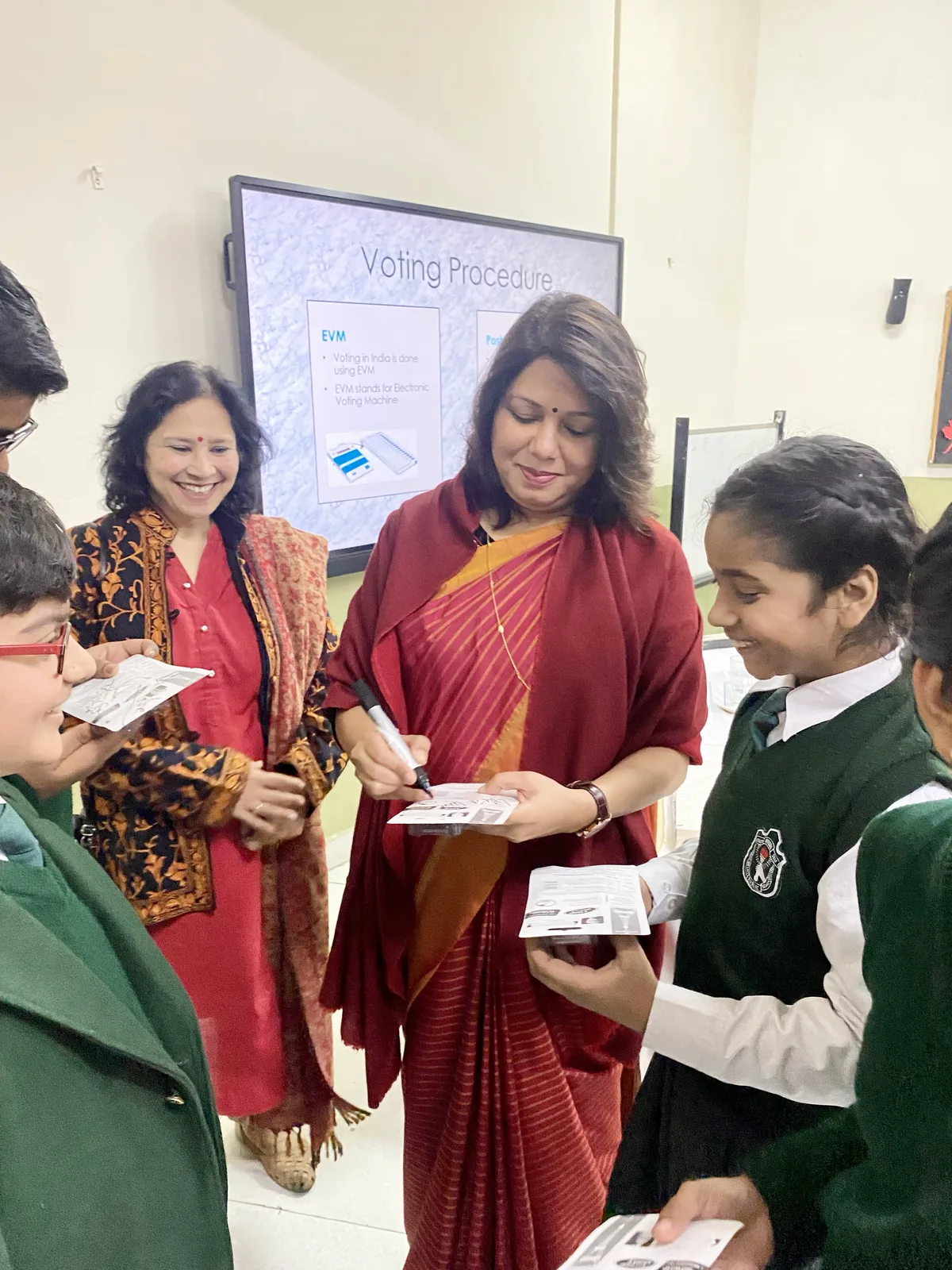
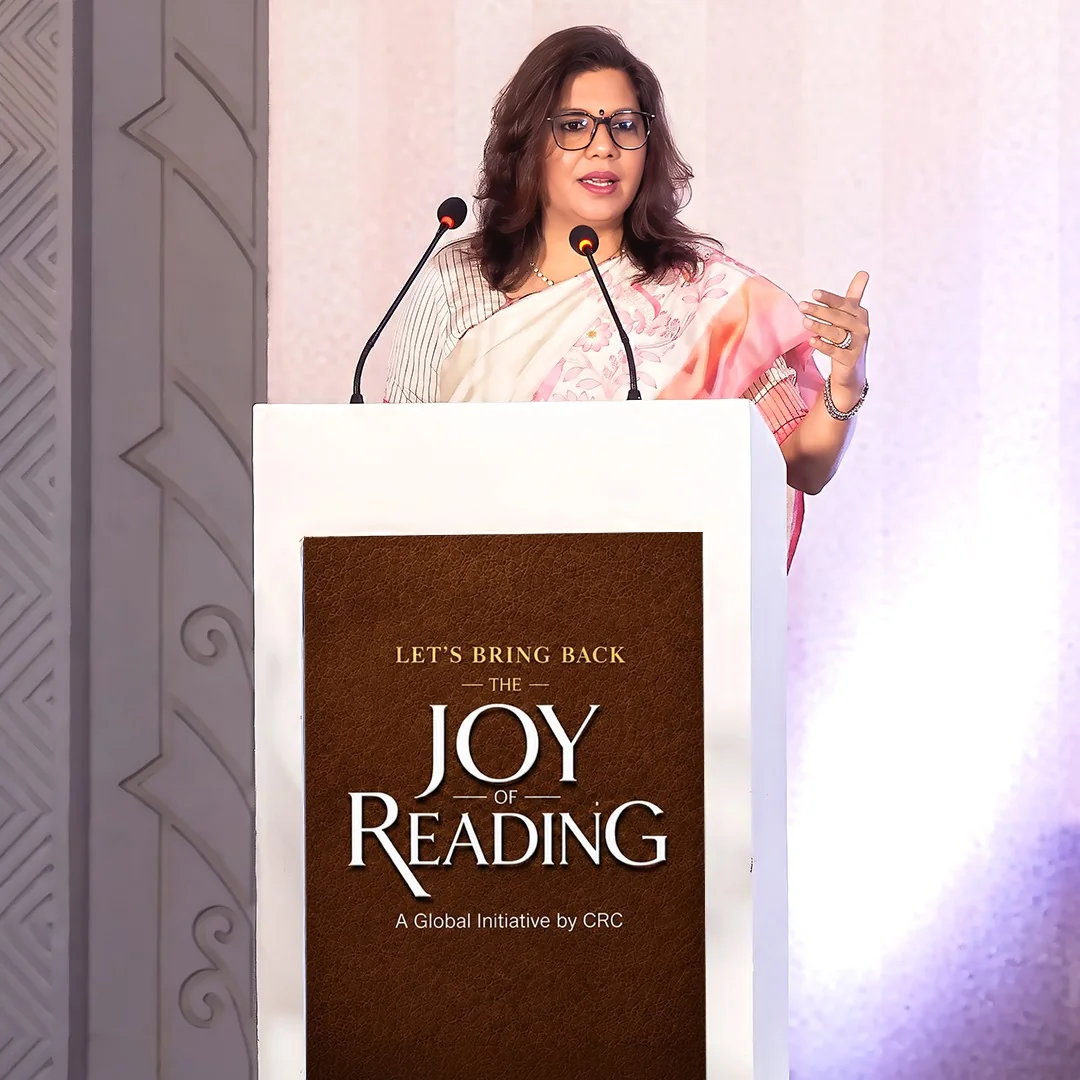
Coming back from those conversations, she found herself wanting to talk about them, and not just file them away as work experience. Teaching was never a part of her profession, but sharing whatever she's learned along the way has always mattered to her. She feels that is really the point of learning anything at all. All the knowledge we gather means very little if we're not willing to pass it on, and that thought itself is her life's philosophy. It's what led her to write a blog and book for civil services aspirants early on, and it's the same instinct behind everything she does now, the podcast, the writing, and her upcoming book, It Matters A Lot, which is really just that idea carried forward.
The Podcast
What happens when you take the road less travelled? What happens when you stop turning to the world to discover who you are, and start listening instead to the yearnings your heart has carried for years?
You start living.
I know life is tough, and navigating it can overwhelm the mind. But it does not have to stay that way. Most of our struggles come from within, from the perceptions we carry about ourselves. So let us dismantle those constructs together. Let us turn our eyes inward and our ears to our hearts. Let us open the cabinets left unopened for far too long.
Come and see the beauty of life, episode by episode, in my podcast, IMAL. Because indeed, it matters a lot.
Listen on Spotify →